
Hard starting when it's cold
Glow plugs or the glow control module. Michigan winters find every weak one, and an engine that cranks a long time cold is also washing oil off its cylinder walls each morning.
Mon - Thu 8:00 AM - 5:30 PM
Fri 8:00 AM - 5:00 PM

Diesel Service
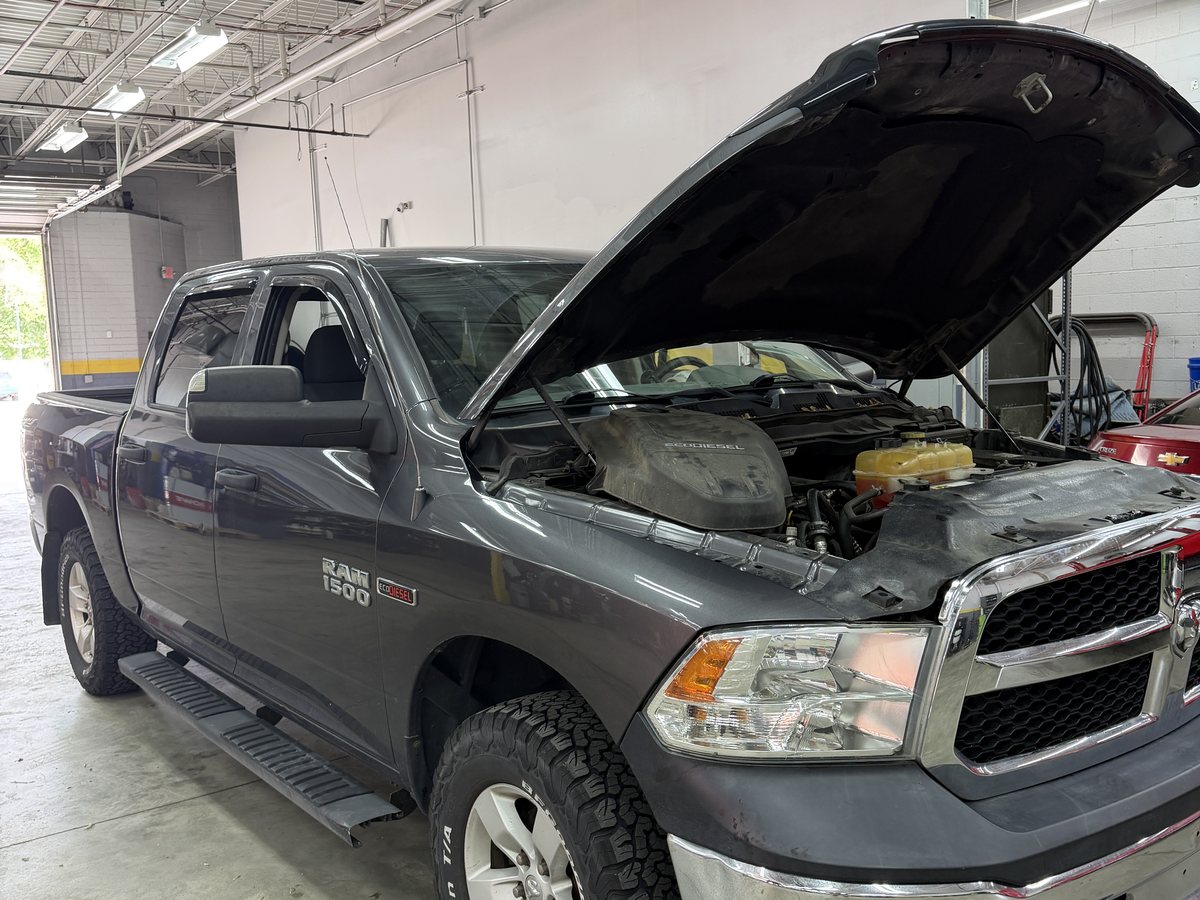
Light duty diesel trucks work for a living, and the things that strand them are rarely the engine itself. Emissions systems, fuel quality and cold-start hardware cause most of what comes through the door, and all three are diagnosable.
Four Systems
Diesel engines outlast gasoline engines and their emissions and fuel systems do not. Nearly everything that brings a light duty diesel in here is one of four systems, and all four of them have a driver-side symptom you can notice early.
| System | What you notice first | Why it happens |
|---|---|---|
| Diesel particulate filter | A light, a loss of power, or a truck that idles high and smells hot after a short trip | The filter traps soot and burns it off on a regeneration cycle that needs sustained driving to complete. A truck used for short local trips never finishes one, the filter loads up, and eventually it needs forced regeneration or cleaning rather than another interrupted attempt. |
| EGR system | Rough idle, a check engine light, worse fuel economy, sometimes a rattle | Exhaust gas is deliberately routed back into the intake, and it brings soot with it. That soot combines with oil vapor into a deposit that blocks the cooler and sticks the valve. It is a cleaning and inspection job long before it is a replacement job. |
| Injectors and high pressure pump | A hard start, a knock or clatter that was not there before, a misfire under load | These run at extraordinary pressures with fuel as the only lubricant. Contaminated or water-affected fuel is the usual cause, and a failing pump can send debris through the whole rail, which is why we test before replacing anything. |
| Turbo and charge air side | A whistle, a loss of boost, blue or black smoke, a boost-related code | The turbo lives on oil pressure and heat. Deferred oil changes, a blocked breather, or a split intercooler boot are all more common than an actually failed turbocharger, and all of them present as lost power. |
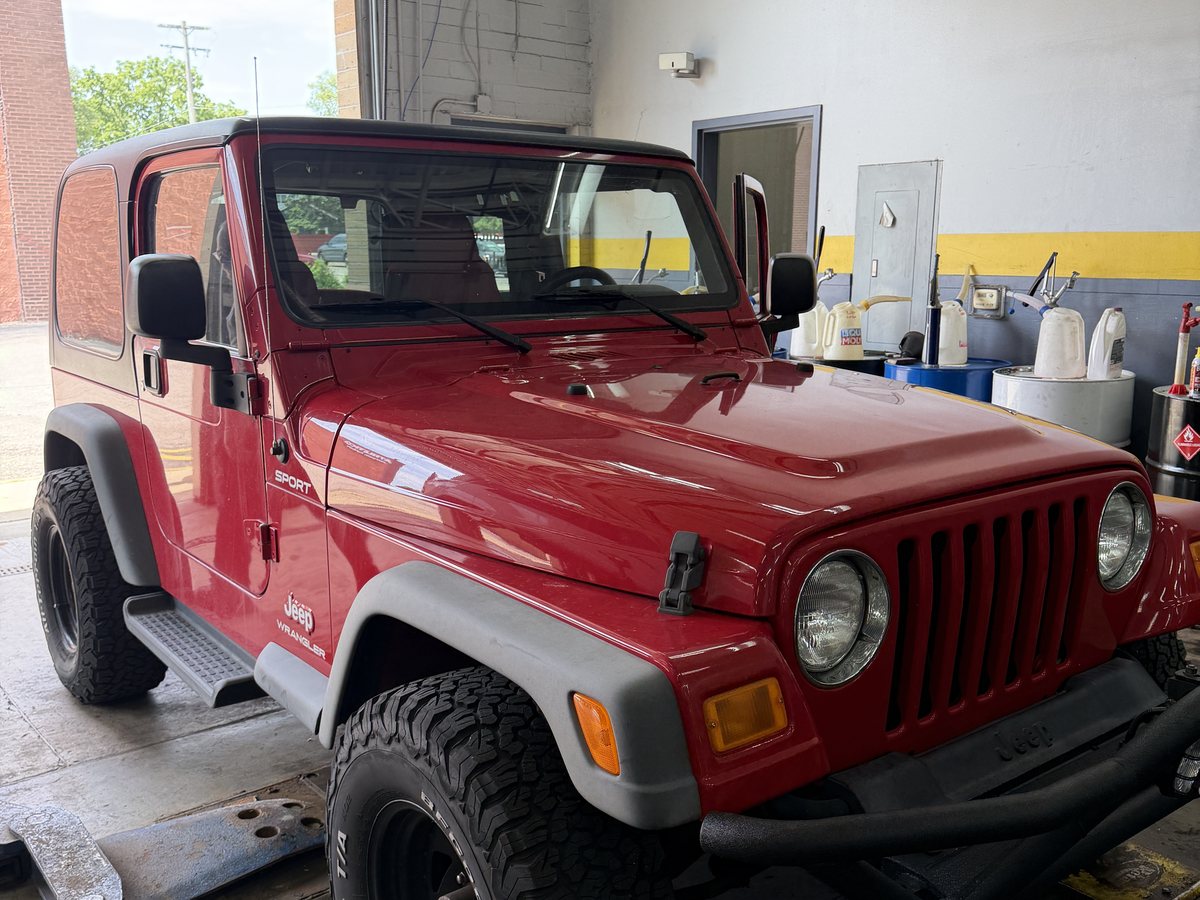
We work on light and medium duty diesel pickups and vans, including the emissions systems, which a lot of shops decline. We do not delete or defeat emissions equipment. That is a federal matter rather than a preference, and a deleted truck is a truck nobody can legally service afterward.
Emissions Systems
A diesel particulate filter traps soot and periodically burns it off in a regeneration cycle that needs sustained heat. A truck doing short local runs never gets there, so soot accumulates, back pressure rises, and the warnings begin.
That's why a blocked filter is usually a symptom of how the truck is used or of another fault upstream, rather than a failure of the filter itself. A leaking injector, a failing EGR valve or a boost leak all raise soot output and overload a filter that would otherwise have coped.
So we read the data that matters: soot load, back pressure, regeneration history and whether cycles are completing or aborting. Fixing the cause and then dealing with the filter is what stops you buying the same part twice. Removing emissions equipment isn't something we do, and we'll always tell you plainly what the legal and practical options are.
Diesel work leans on the rest of the shop. Injector balance and high-pressure pump faults are fuel system jobs, a DPF or EGR code starts with a diagnostic test on the right software, and a truck that tows needs brakes and suspension rated for the load. Businesses running several trucks can put them on a fleet account so service happens on a schedule instead of a breakdown.
Worth knowing
The filter traps soot and then burns it off at high temperature on a regeneration cycle that needs sustained driving to finish. A truck used for short local runs starts that cycle and never completes it, over and over, until the filter is loaded solid. The fix is a forced regeneration or a cleaning. The cause is the trip length.
What Diesels Do First
A diesel gives clear warnings. Most of the very expensive outcomes started as one of these and got driven on.
Glow plugs or the glow control module. Michigan winters find every weak one, and an engine that cranks a long time cold is also washing oil off its cylinder walls each morning.
Unburnt fuel. Injectors, air restriction or a boost leak. It's fuel you're buying and sending out of the tailpipe, so it shows up on economy before it shows up as a failure.
Fuel that isn't igniting, or coolant entering a cylinder. Cold-start white smoke that clears is normal; white smoke at operating temperature isn't.
The diesel particulate filter isn't completing its burn-off cycle, usually because of short trips or an underlying fault. Ignored long enough, the filter blocks and becomes a very expensive part.
The engine computer protecting something. Often boost, fuel pressure or emissions related. It's a code with a specific cause, not a mystery.
Take it seriously. Water and contamination in a high pressure common rail system can destroy injectors and the pump, and that's one of the largest bills a diesel can generate.
The Approach
Diesels reward reading the data properly and punish guessing more expensively than gas engines do.
Short local runs, towing, idling hours. Usage explains a large share of diesel faults before a scanner is even connected.
Soot load, regeneration history, rail pressure, boost and injector balance rates. Generic code reading misses most of this.
Water separator, filter condition and evidence of contamination. This one test has saved a lot of injectors and pumps.
Glow plug circuit, boost leak test, EGR operation or injector return flow, whichever the data points at.
Fix what's producing the soot or the fault first, then deal with the filter or the damaged component. Otherwise you buy the part twice.
What You Get
Questions
Book It
We read the diesel-specific data and fix the cause, not just the part that complained. 29444 Woodward Ave, Royal Oak. Book online or call.