

Commercial & Fleet
Fleet Services in Royal Oak, MI
A fleet vehicle that is parked costs you more than the repair does. The point of a fleet program is not cheaper work, it is knowing which unit is going to need attention before the driver calls you from the side of Woodward.
- Priority scheduling for fleet units
- One account, one invoice, itemized by vehicle
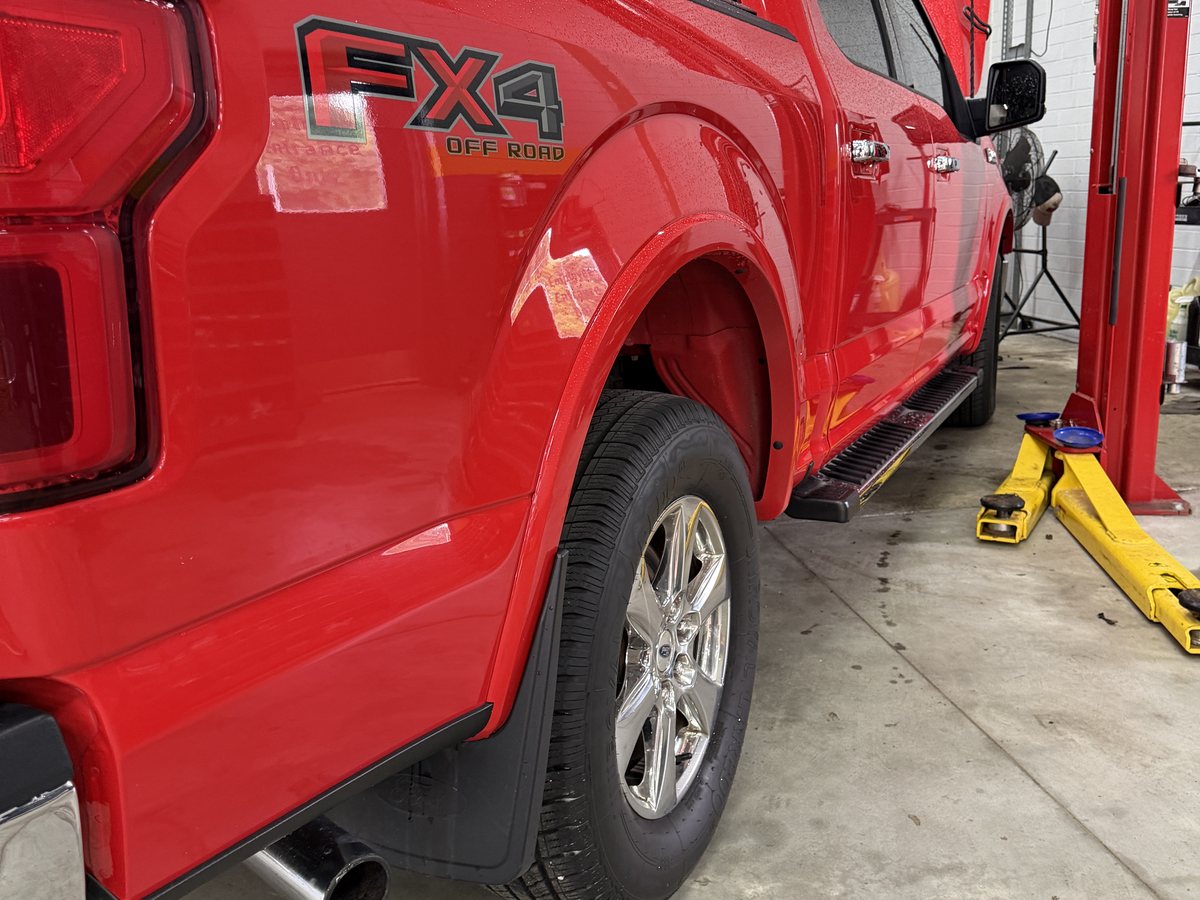
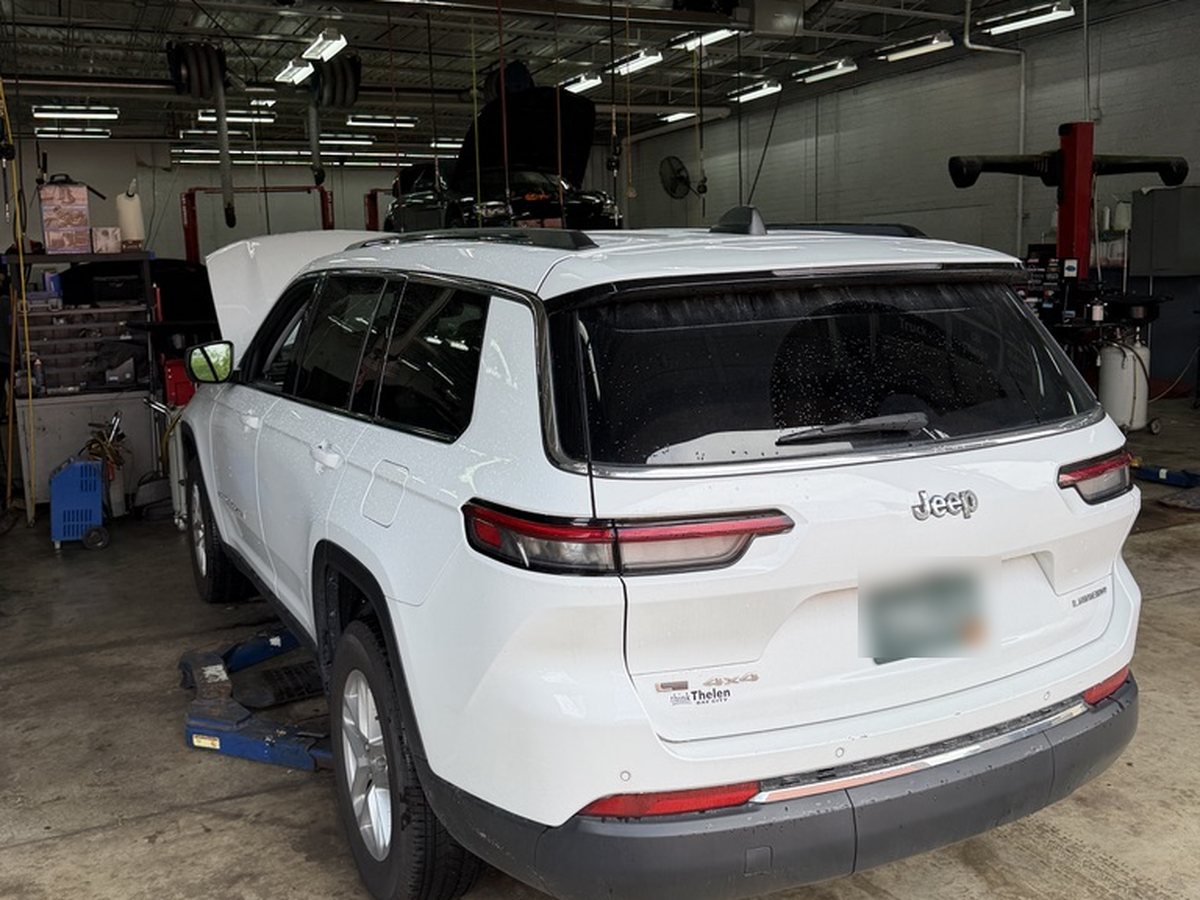
- Vans, pickups, box trucks and light duty diesel
- 24 hour drop off and after hours pickup
How the Program Works
We keep the record so you can schedule around it
Every unit we service gets its own history: what was done, at what mileage, on what date, and what we flagged as coming due. That file is what makes the difference between a fleet you manage and a fleet that manages you, because it turns guesswork into a calendar.
Inspections use a simple green, amber, red scale. Green is fine. Amber is a part with measurable life left, and we tell you roughly how much, so you can put it in the same visit as the next oil change instead of its own separate day. Red is safety or reliability, and we say so plainly.
Practically, that means we can stagger your maintenance so you are never short two vehicles at once, batch amber items into one shop visit per unit, and give you a straight answer on whether an aging vehicle is worth another round of repairs. We are one shop on Woodward, not a national account, so you talk to the people who actually touched the truck.
A fleet schedule bundles the work that keeps vehicles earning: oil changes on a fixed interval, brakes and tires checked at every visit, alignment after pothole season, transmission fluid on the severe-service schedule, and diesel service for the trucks that need it. A warning light on a work van gets a same-day diagnostic test so the vehicle is back on the route.
How Fleet Work Differs
What changes when the vehicle is working for you
A fleet vehicle is not a car with a logo on it. The decisions are different, because the cost of it sitting here is larger than the cost of the repair, and everything below follows from that.
| A personal vehicle | A fleet vehicle | |
|---|---|---|
| What we optimize for | Cost of the repair | Time off the road. A slightly larger repair now often beats a smaller one that brings it back in three weeks. |
| Scheduling | When it suits you | Around your working day, including work started early so a van is back out before the first call. |
| Authorization | We call you | A standing limit, agreed in advance, under which we simply proceed and report afterward. |
| Records | Per visit | Per vehicle and per fleet, so you can see which unit is costing you and make a keep-or-replace decision on evidence. |
| Maintenance | When something is noticed | On an interval set by the vehicle's actual duty cycle, because a van doing short urban stops is a different machine from one doing highway miles. |
| Billing | At the counter | Invoiced, itemized by vehicle, so it reconciles against your own records without anyone rebuilding it by hand. |
This works for two vans and it works for twenty. If you are running vehicles out of Royal Oak, Berkley, Clawson or Ferndale, call and we will talk through what your week actually looks like before anyone proposes a schedule.
What You Get
What a fleet account gets you
- Priority scheduling ahead of the general queue
- A written service history for every unit
- Green, amber and red inspection reporting
- Preset approval limits so work is not held up
- 24 hour drop off and after hours pickup
- One monthly invoice, itemized by vehicle
- DOT and safety item inspections
- Limited lifetime warranty on most repairs
Worth knowing
For a fleet, the repair is rarely the expensive part
A van that is not working costs more per day than most of the repairs that put it back on the road. That single fact changes every decision: what gets fixed now instead of next month, what gets authorized without a phone call, and why a slightly larger repair today often beats a smaller one that brings the vehicle back in three weeks.
Getting Set Up
Bringing a fleet onto the books
Setup takes one conversation and one baseline visit per vehicle. After that it runs on the calendar.
-
Tell us what you run and how you run it
Number of units, what they are, the miles they cover, and how much capacity you can afford to lose in a week. Route mileage changes service intervals more than anything else.
-
Baseline inspection on each unit
Every vehicle comes through once for a full look so we know what we inherited. This is where we find the deferred items nobody knew about, and it is the last time a fleet gets a surprise.
-
Approval limits set in advance
You tell us the dollar figure we can proceed under without calling, and what always needs a call. Drivers stop being the approval chain, which speeds everything up.
-
A staggered schedule, not a single due date
Units get spread across the calendar so your capacity never drops by more than one vehicle at a time. Amber items get batched into the next scheduled visit.
-
One invoice, itemized per vehicle
Billed to the account, broken out by unit, so cost per vehicle is something you can actually read off the page at the end of the quarter.
Where Fleets Bleed Money
Six signs your fleet is being managed by whoever breaks down first
None of these are mechanical problems. They are scheduling problems, and they are the expensive kind, because every one of them turns a planned hour into an unplanned day.
You find out a unit is due when it stops working
Reactive maintenance is the most expensive way to run vehicles. The repair is the same either way. What changes is whether you chose the day.
Nobody can say when that van was last serviced
If the service history lives in a glovebox or a driver's memory, it does not exist. A fleet without records pays twice for the same work more often than owners expect.
Two units are always in the shop at once
Vehicles bought together wear out together. Without staggered scheduling, a fleet develops a pattern of taking out half its capacity in the same week.
Drivers report the same fault three times
A complaint that keeps coming back was never diagnosed, it was reset. That costs you a driver's morning every time, on top of the eventual real repair.
Your invoices do not tell you anything
A stack of receipts is not cost data. Cost per unit, per mile, tells you which vehicle is quietly eating the budget and when to replace it instead of repair it.
Downtime gets absorbed, never measured
Somebody covers the route, so the cost never lands anywhere you can see it. It is still the largest line item in running a fleet, and it is the one nobody writes down.
Questions
Fleet questions
How many vehicles do I need for a fleet account?
What kinds of vehicles do you take on?
Can we get priority when something goes down unexpectedly?
Do you handle DOT inspection items?
How does billing work?
Can drivers drop off outside business hours?
Will you tell us when a vehicle is not worth repairing?
Related Work
What fleets need most
Book It
Let us take the fleet calendar off your desk
Call and tell us what you run. 29444 Woodward Ave, Royal Oak. We will set up the baseline visits, the approval limits and a schedule that never takes two units out in the same week.