

Transmission
Transmission Repair in Royal Oak, MI
A transmission complaint is the one most likely to be met with a frightening number before anyone has looked. Plenty of shift problems turn out to be fluid, a solenoid, a sensor or a broken mount. We find out which before anyone says the word rebuild.
- Diagnosis before any rebuild talk
- Fluid and filter service
- Solenoid, sensor and mount faults
- Free second opinion on a rebuild quote
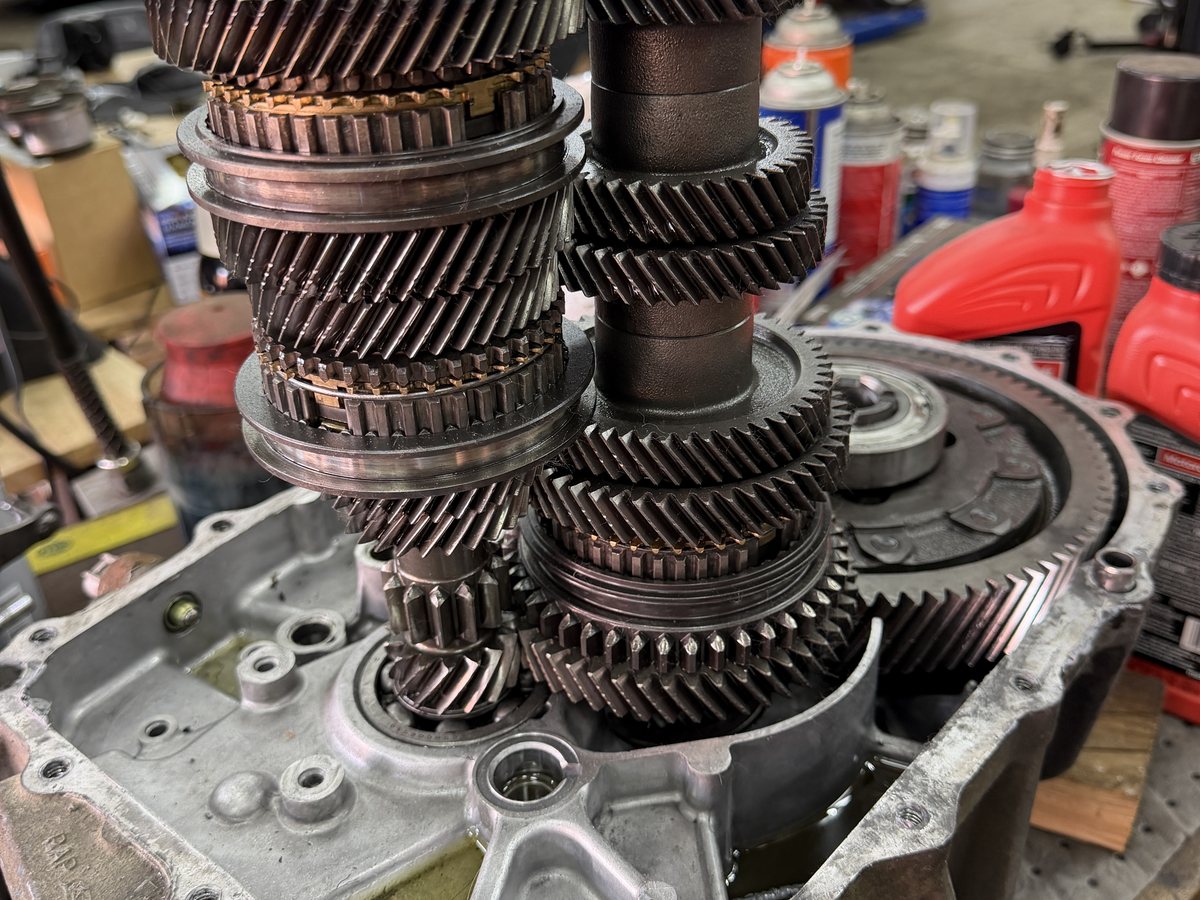
How It Starts
Six transmission symptoms and what they usually mean
Transmissions rarely fail silently. Acting on the early symptoms is the difference between a service and a rebuild.
A hard or jolting shift
Often line pressure or a shift solenoid rather than anything internal. Worth catching early, because harsh shifts accelerate wear on the clutch packs they're slamming together.
It hesitates before engaging drive or reverse
A delay of a second or more between selecting a gear and the car moving. Commonly low fluid or pressure loss, and commonly ignored until it gets much worse.
The engine revs but the car doesn't accelerate
Slipping. The engine speed climbs without matching road speed. This is the symptom that genuinely does point at internal wear, and it doesn't improve on its own.
A shudder at steady cruising speed
Frequently the torque converter lock-up clutch rather than the transmission itself. On many vehicles this is a fluid and converter conversation, not a rebuild.
A clunk when it goes into gear
Check the mounts before assuming the worst. A broken transmission or engine mount lets the whole assembly move, and that shows up as a clunk on engagement.
Burnt-smelling or very dark fluid
Healthy fluid is usually red and translucent. Dark and burnt means it has been overheated, and the clutch material that darkened it's no longer where it should be.
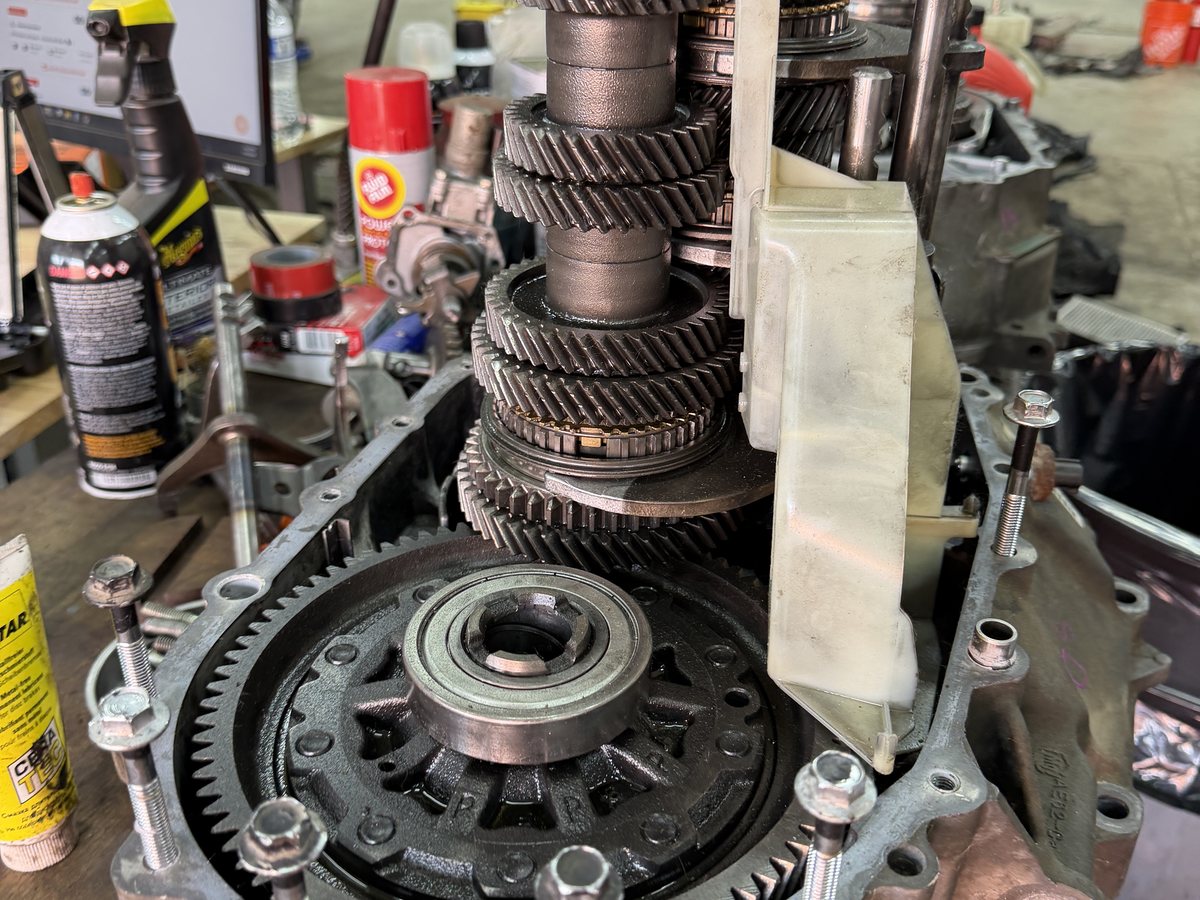
Before The Word Rebuild
Most shift complaints aren't a failed transmission
A modern automatic is controlled electronically. Solenoids regulate hydraulic pressure, sensors report speed and temperature, and the control module decides shift points. A fault in any of those produces symptoms that feel exactly like mechanical failure from the driver's seat.
So the first thing we do is scan the transmission module specifically. Stored codes, live data on line pressure and slip, and the adaptive values the module has learned all point somewhere. Then we check the obvious mechanical items: fluid level and condition, mounts, and whether the complaint changes hot versus cold.
When the answer really is internal wear, we'll say so and be straight about the cost against the value of the car. But we aren't going to quote a rebuild for a car that needs a solenoid, and if someone else has already quoted you one, bring it in. The second opinion costs nothing.
Many transmission complaints are not the transmission. A shudder at low speed can be a misfire that needs a diagnostic test, a whine can be a wheel bearing or suspension noise, and a hesitation under load can be the fuel system. We rule those out first because they are cheaper. On diesel trucks that tow, fluid service intervals are shorter than the owner's manual suggests.
Fluid Is Not Universal
The wrong transmission fluid is not a small mistake
Automatic transmission fluid is not one product. It is a friction specification, and the clutch material inside your transmission was designed around a particular one. Universal fluid with a long list of claims on the back is the most expensive bottle in the store once you count what it does.
| Specification | Typically found in | What goes wrong with the wrong fluid |
|---|---|---|
| DEXRON VI | GM automatics | Older DEXRON fluids do not carry the shear stability of VI. Shifts get soft as the fluid thins and the clutches start slipping under it. |
| MERCON LV | Ford six speed automatics | A different friction modifier package. The wrong one gives shudder on the torque converter lockup, which people usually report as a vibration around 40 mph. |
| ATF+4 | Chrysler, Dodge, Jeep and Ram | Notoriously specific. Chrysler transmissions filled with a generic fluid harshen up and then start slipping, and a lot of them do not recover once they have been run that way. |
| Toyota WS | Most modern Toyota and Lexus | A sealed lifetime fill with no dipstick, which means it needs setting at a specified fluid temperature. Fill it cold, or fill it with the wrong fluid, and you get a transmission that overheats in traffic. |
| CVT fluid | Nissan, Subaru, Honda CVTs | Not automatic transmission fluid at all. A CVT runs a steel belt on a pair of pulleys and the fluid has to grip rather than slip. Conventional ATF in a CVT is a short road to a replacement. |
| DCT and DSG fluid | Volkswagen, Audi, Ford dual clutch | Wet dual clutch packs live in their own fluid with its own change interval, and it is one of the most commonly skipped services on the car. |
Sealed for life is a marketing phrase rather than an engineering one. Every one of these fluids oxidizes, and the debris from normal clutch wear stays in circulation until somebody removes it. A fluid and filter service at a sensible interval is the cheapest transmission work there is.
Questions
Transmission questions
Should I change my transmission fluid?
I heard changing old fluid causes failure. Is that true?
Do you rebuild transmissions?
Another shop quoted me for a rebuild. Can you check it?
What does slipping actually feel like?
Is a shudder at cruising speed serious?
How much does transmission repair cost?
Worth knowing
Sealed for life is a marketing phrase
Every automatic transmission fluid oxidizes, and the debris from normal clutch wear stays in circulation until somebody removes it. A transmission with no dipstick is harder to service, not exempt from needing it. A fluid and filter service at a sensible interval is the cheapest transmission work there is.
How We Work It
Diagnosing a transmission complaint
Cheapest and most likely causes get ruled out before expensive ones get discussed.
-
Drive it with you if we can
Shift complaints are often specific to one gear change, one temperature or one throttle position. Feeling it's faster than guessing at it.
-
Scan the transmission module
Not just engine codes. Stored faults, live pressures, slip values and adaptive learning data, which is where electronic faults are visible.
-
Check fluid level, condition and mounts
Level checked to the manufacturer's procedure, which on many modern units isn't a dipstick. Color and smell noted, mounts inspected for movement.
-
Test the specific circuit
Solenoid operation, speed sensor signals and wiring where the data points that way. This is where a large number of complaints end.
-
Recommend the smallest repair that fixes it
If it's a service, a sensor or a mount, that's what you get quoted. If it's internal, you get an honest number and an honest opinion on whether it's worth it.
What You Get
Transmission work includes
- Road test with the complaint reproduced
- Transmission module scan and live data
- Fluid level to the correct procedure
- Fluid condition assessed by color and smell
- Engine and transmission mount inspection
- Solenoid and sensor circuit testing
- Smallest effective repair recommended first
- Free second opinion on a rebuild quote
Related Work
What imitates a transmission fault
Book It
Shifting badly? Get it diagnosed before it gets quoted
We rule out the cheap causes before anyone says rebuild, and second opinions are free. 29444 Woodward Ave, Royal Oak. Book online or call.